
Homeowners Insurance for Mobile Homes
Essential basic coverage against common risks such as fire, theft and weather-related damage.
Compare Quotes in 2 Minutes
Powered by:

 Secured with SHA-256 Encryption
Unlike traditional houses, mobile homes have unique characteristics that can significantly influence their insurance needs and options. Due to their distinct construction and vulnerability to certain environmental factors, mobile homes often demand a specialized approach to insurance. Understanding these nuances is key to securing homeowners insurance for mobile homes that can help protect your investment. From coverage options to factors affecting insurance costs, we’ll delve into what you need to know to make an informed decision about protecting your mobile home.
CitizensInsurance.net is an independent insurance information website. It is not an insurer, government program, or official claims, billing, or policy-service portal for Citizens Property Insurance Corporation, Louisiana Citizens, Citizens Insurance Company of America, Hanover, or any similarly named insurer.
Understanding the Basics of Homeowners Insurance for Mobile Homes
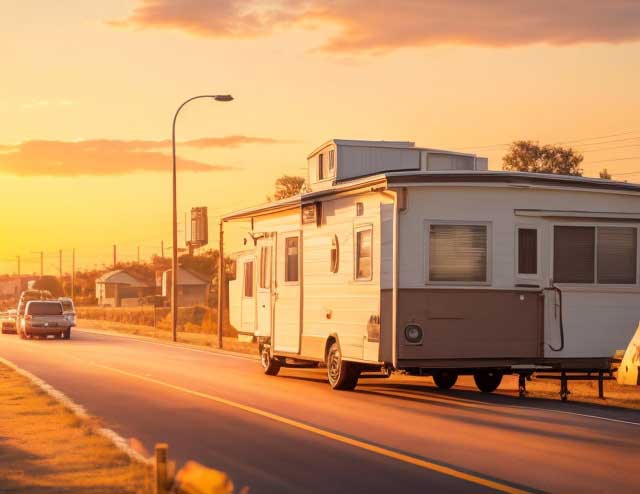
Mobile homes, also known as manufactured homes, require specialized insurance coverage due to their unique construction and mobility features. These homes are typically built on a chassis and can be moved, though many are placed on a permanent foundation and are not intended for frequent relocation.
Homeowners insurance for mobile homes generally covers the dwelling, personal property, and liability protection, similar in purpose to traditional homeowners insurance. It’s important to understand the specific terms, exclusions, and coverage limits, as these policies can vary significantly from standard homeowners insurance.
What’s Included and What’s Extra in Mobile Home Insurance
In mobile home insurance, understanding what coverages are typically included in a standard policy and which ones are considered extra is key to creating a comprehensive protection plan. Here’s a clearer breakdown:
Included Coverages:
- Property Damage Coverage: This is a standard inclusion in many mobile home policies, covering damage to your mobile home and other structures on your property from covered risks such as fire, windstorms, hail, theft, and vandalism. Note that certain natural disasters, flood losses, wind losses in some coastal areas, or other specific risks may not be covered unless your policy includes them.
- Liability Coverage: Also a standard part of most policies, it protects against legal and medical costs if someone is injured or their property is damaged and you’re held responsible.
- Personal Property Coverage: Generally included, this covers the loss or damage of personal items inside your mobile home, protecting belongings like electronics, clothing, and furniture against covered risks similar to those listed in the policy for the mobile home.
- Additional Living Expenses (ALE) Coverage: Typically part of a standard policy, ALE helps with costs if your mobile home is uninhabitable due to a covered event, helping pay for temporary housing and related living expenses up to the limits of the policy.
Optional Coverages:
Additional coverage options may include protection against perils specific to mobile homes, such as limited coverage for damage during transport when available. It’s also crucial to consider coverage for attached structures like porches or carports and additional living expenses in case the home becomes uninhabitable due to a covered loss.
Policyholders should review exclusions and limitations carefully, because some risks are not covered by standard policies and may require separate coverage or endorsements.
Let’s look below at some additional coverage that it may be advisable to consider.
- Flood Insurance: Not usually included in standard home insurance policies, this can be crucial for mobile homes in flood-prone areas, covering eligible damage from flooding events when purchased through the National Flood Insurance Program or a private flood insurer.
- Earthquake Insurance: Also typically an extra or separate coverage, this protection is important in earthquake-prone regions and can help protect against earthquake-related damage when available.
- Extended Coverage for Valuables: If you have high-value items, standard personal property coverage may not suffice. Additional coverage can be purchased to better protect these items, subject to policy limits and documentation requirements.
- Other Specific Risks: Depending on location and individual needs, other optional coverages might include protection against wind in hurricane-prone areas, coverage for sewer backups, or protection for other location-specific risks.
Customizing your policy with endorsements can provide broader protection for unique risks associated with your mobile home, such as coverage for satellite dishes, awnings, or outdoor equipment. Always review your policy details closely to ensure both adequate protection and cost-effectiveness tailored to your specific needs.
Factors Influencing Mobile Home Insurance Costs
Several factors can affect the cost of mobile home insurance, including the home’s age, size, location, and the chosen deductibles and coverage limits.
- Older mobile homes might have higher premiums due to the increased risk of damage and the likelihood of using outdated materials and systems.
- The size of the home also plays a significant role; larger mobile homes typically cost more to insure due to the higher value and potential repair costs.
- Location is another crucial factor; homes in areas prone to natural disasters like floods, hurricanes, severe wind, or wildfire usually face higher insurance costs. Additionally, homes situated in rural or remote areas might have higher premiums depending on theft risk, fire protection class, and access to emergency services.
- Insurance premiums may also be influenced by the homeowner’s credit history, where allowed by state law, and past insurance claims. Individuals with a strong credit score and a clean claims history may be eligible for lower rates.
- The choice of policy deductible and coverage limits has a direct impact on insurance costs. Higher deductibles typically result in lower premiums but mean more out-of-pocket expenses in the event of a claim. Opting for comprehensive coverage with higher limits will provide more extensive protection but at a higher cost.
- It’s also worth considering any add-ons or riders that might increase the cost. For example, adding coverage for personal valuables, identity theft protection, sewer backup, or additional liability coverage can enhance the policy but will also raise the premium.
- A home insurance company’s own pricing structure and discounts can influence the final cost. Some insurers offer discounts for safety features installed in the home, such as smoke detectors, burglar alarms, fire extinguishers, or water leak detection systems, or for bundling multiple policies with the same provider.
Therefore, it’s advisable to explore all discount options and compare mobile home insurance quotes from different insurers to seek the best balance of coverage, price, and policy terms.
Compare Quotes in 2 Minutes
Compare Insurance Quotes and Save!
 Secured with SHA-256 Encryption
Tips for Lowering Mobile Home Insurance Cost
Reducing the cost of homeowners insurance while maintaining adequate coverage is crucial for mobile homeowners. Here are some streamlined tips to achieve this:
- Enhance Home Safety and Security: Install safety features like smoke detectors, burglar alarms, and fire extinguishers. Many insurers offer discounts for homes with these enhancements, as they may lower the risk of damage and theft.
- Upgrade Your Mobile Home: Make upgrades that increase your home’s durability and safety, such as reinforcing the roof or updating electrical systems. These can make your home less prone to damage, potentially reducing insurance costs.
- Shop Around: Compare insurance rates from different providers. Evaluate not just the cost but also the coverage details, exclusions, deductibles, and customer service reputation of the insurer.
- Seek Discounts: Inquire about available discounts, which may include reductions for long-term customers, bundling policies, installing protective devices, or having a claim-free history.
- Increase Your Deductible: Consider a higher deductible to lower your premium costs. Ensure the deductible is affordable for your budget before choosing this option.
- Regular Policy Review: Update your policy periodically to match your current needs, ensuring you’re not overinsured or underinsured.
- Maintain a Good Credit Score: Where credit-based insurance scoring is allowed, a higher credit score can lead to lower insurance rates. Keep your credit in good standing by paying bills on time and managing debt effectively.
By adopting these measures, mobile home owners can effectively reduce their insurance expenses while still safeguarding their property.
How to Choose the Right Mobile Home Insurance Policy and Provider
Understanding your specific needs, such as coverage for a vintage mobile home or a newer, high-value model, will help in selecting the right policy. When choosing a mobile home insurance policy, it’s important to compare offers from multiple insurance providers. Look for homeowners insurance companies with good financial strength and customer service ratings. Additionally, assess the ease of filing claims and the insurer’s responsiveness. Quick and efficient claims handling can be crucial in times of distress.
It’s also beneficial to check for customer reviews, complaint information, or state insurance department resources to gauge the insurer’s reliability and service quality. Consider the insurer’s experience in mobile home insurance, as providers specializing in this area might offer more tailored coverage options and understand the unique challenges of insuring a mobile home.
Seek advice from insurance agents who can provide insights into different policies and guide you through complex terms and conditions. Inquire about the flexibility of policies; some insurers offer customizable plans that can adapt to changing needs over time. Also, consider the overall cost-effectiveness of the policy, not just the premium amount, but the coverage provided for that price.
Compare Quotes in 2 Minutes
Compare Insurance Quotes and Save!
Secured with SHA-256 Encryption
Key Factors to Consider When Choosing Homeowners Insurance for Mobile Homes
| Factor | Description |
|---|---|
| Coverage Options | Assess the range of coverage provided, including additional living expenses, liability, dwelling, other structures, and personal property coverage. |
| Customer Service | Look at customer reviews, complaint trends, and ratings for responsiveness and support quality. |
| Cost | Compare premiums and understand what affects the pricing, such as location, home size, home age, deductibles, and coverage limits. |
| Claims Process | Evaluate the ease and efficiency of the claims handling process before you need to file a claim. |
| Discounts and Extras | Check for discounts such as bundling or safety feature installations, and review optional benefits such as additional living expense coverage or higher personal property limits. |
Claims and Maintenance: Keeping Your Home and Policy Up-to-Date
Regular maintenance of your mobile home can prevent damages and may lead to lower insurance costs. In the event of a claim, it’s important to understand the process and your responsibilities. Keep your policy updated with any significant changes to your home, like renovations, additions, tie-down improvements, roof updates, or additional security features, to ensure adequate coverage.
Final Words on Homeowners Insurance for Mobile Homes
Mobile home insurance is an essential component of responsible home ownership. As we’ve explored, mobile homes have unique insurance needs due to their specific construction, location, and potential risks. Understanding the types of coverage available, factors affecting insurance costs, and strategies to lower these costs can empower mobile homeowners to make informed decisions. It’s important to remember that while minimizing costs is important, ensuring adequate coverage should always be the priority. Remember, the right homeowners insurance policy is not just about meeting a requirement; it’s about safeguarding your home, your belongings, and your financial future.
Sources and Helpful Resources
Compare Quotes in 2 Minutes
Secured with SHA-256 Encryption
OUR WEBSITE

TRUST & AUTHORITY


Featured Articles
SEARCH
Looking for something specific? Use the search bar below to find answers to your questions!