
Older Mobile Home Insurance: Protect Your Home
Find out how to get affordable insurance for your older mobile home. Compare Quotes & Get the Best Deal.
Compare Quotes in 2 Minutes
Powered by:

 Secured with SHA-256 Encryption
Mobile homes have been a popular housing option for decades, especially for people looking for an affordable and comfortable place to live. Many people still live in older models that may be more affordable or hold sentimental value. However, owning an older mobile home can come with unique challenges, including finding insurance coverage that adequately protects your investment. Finding suitable coverage can be a daunting task, especially if you have an older mobile home. This article explores the ins and outs of older mobile home insurance, including what it commonly covers, which factors affect its cost, and how to compare policies.
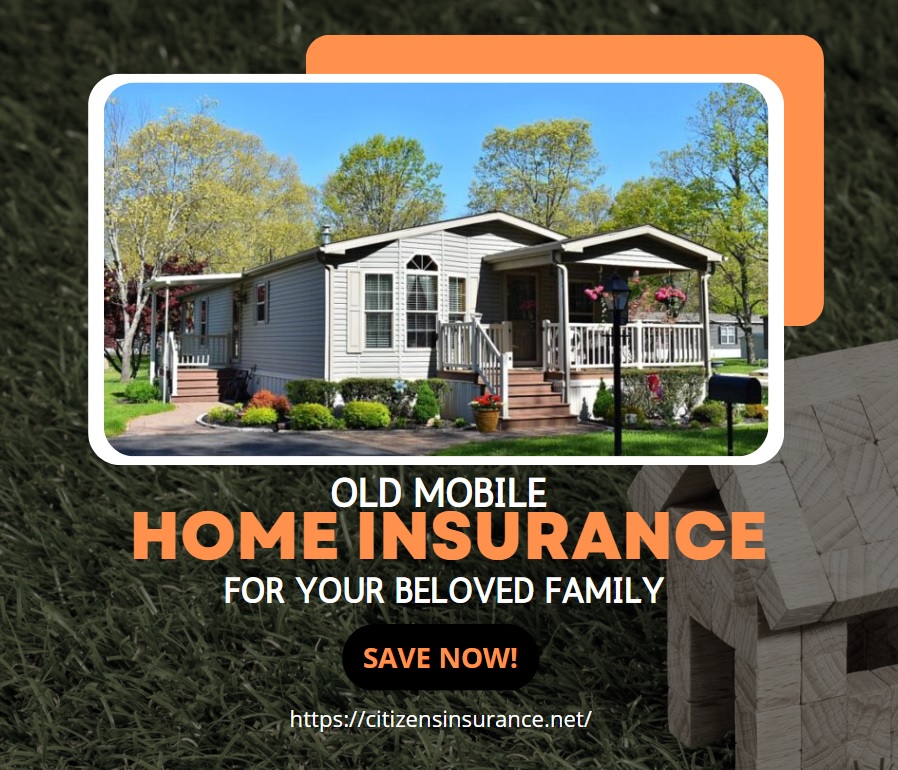
What Is Older Mobile Home Insurance?
Older mobile home insurance generally refers to mobile or manufactured home coverage for a home that an insurer considers older based on its construction year, condition, construction standards, location, and underwriting rules. It is not a single standardized insurance category, and there is no universal rule under which every insurer considers a mobile home “older” once it reaches 20 years of age.
In federal housing terminology, factory-built homes constructed before June 15, 1976, are commonly referred to as mobile homes. Homes constructed after that date generally must comply with the federal Manufactured Home Construction and Safety Standards and carry a HUD certification label. Insurers may still use the terms “mobile home” and “manufactured home” differently in consumer materials, so provide the exact construction year, manufacturer, model, serial number, and available HUD label information when requesting a quote.[1]
Why You Need Older Mobile Home Insurance
Before diving into the specifics of older mobile home insurance, let’s first discuss why it can be important. Your mobile home is a significant investment that may require proper insurance coverage to protect your finances. Age alone does not determine how risky a home is to insure, but its condition, maintenance history, electrical and plumbing systems, roof, foundation, anchoring, and location may affect its eligibility and coverage options.
Without applicable home insurance, you could be responsible for paying for repairs, replacement, or liability-related expenses after a loss.
Like any type of insurance, mobile home insurance provides financial protection in case of unexpected covered events. Without insurance, you could be left paying for repairs or replacement out of pocket, which can be a significant financial burden. Here are some specific reasons why you may need older mobile home insurance:
- Damage from weather: Mobile homes can be vulnerable to severe weather events such as hurricanes, tornadoes, hail, and high winds. Insurance may help cover repairs or replacement when a covered weather event damages your home, subject to the policy’s limits, exclusions, and deductibles.
- Theft or vandalism: Theft or vandalism can result in damage to the home or loss of personal belongings. Insurance may help cover stolen or damaged property when the cause of loss is covered by the policy.
- Liability: If someone is injured on your property and you are found legally responsible, you could be responsible for medical bills, legal expenses, or other costs. Liability coverage may help with eligible expenses up to the policy limit.
- Financing requirements: If you have a mortgage or loan on your mobile home, your lender may require insurance to protect its financial interest in the property.
What Mobile Home Insurance Covers
Now that you know why you may need older mobile home insurance, let’s take a closer look at what it can cover. Policies vary depending on the provider, policy form, location, home, and selected coverage, but common coverages may include:
- Property damage: This coverage may help pay for repairs or replacement if your mobile home is damaged or destroyed by a covered event such as fire, wind, hail, theft, vandalism, or falling objects.
- Liability: Liability coverage may help protect you if someone is injured or their property is damaged and you are found legally responsible. It can help with covered medical costs, legal fees, settlements, or judgments, subject to the policy limit and exclusions.
- Additional living expenses: If your home becomes uninhabitable because of a covered loss, this coverage may help pay for necessary temporary living expenses, such as a hotel or rental home, within the policy’s limits.
- Personal property: This coverage may help repair or replace personal belongings damaged or stolen after a covered event, such as furniture, electronics, appliances, and clothing.
- Attached or additional structures: Depending on the policy, structures such as porches, decks, garages, sheds, or carports may be covered. Ask how each structure is classified because coverage limits and eligibility can differ.
Mobile home insurance policies commonly include physical-damage and personal-liability protection, although the amount and scope of coverage vary from one policy to another.[2]
It is also important to determine whether covered property losses will be settled using actual cash value or replacement cost. Actual cash value generally accounts for the home’s age, condition, wear, and depreciation, which means the payment may not be enough to purchase a new replacement. Replacement cost coverage generally pays the cost of repairing or replacing covered property with materials of similar kind and quality, subject to the policy’s conditions and limits.[4]
Older mobile home insurance may not cover every type of damage or event. Flooding is generally not covered by a standard homeowners or mobile home policy and usually requires separate flood insurance. Earthquake, earth movement, deterioration, maintenance problems, insects, mold, and certain water losses may also be excluded or limited, depending on the policy. Read the policy carefully and ask the insurer or a licensed agent what is and is not covered.[3]
How Much Older Mobile Home Insurance Costs
The cost of older mobile home insurance can vary widely depending on several factors, including:
- Location: Homes located in areas with higher exposure to hurricanes, tornadoes, wildfire, hail, flooding, theft, or other hazards may be more expensive to insure or may require separate coverage.
- Age and condition of the home: Older homes may cost more to insure or have fewer coverage options, especially if they have outdated wiring, plumbing, heating systems, roofing, foundations, or anchoring that could increase the likelihood or severity of a loss.
- Coverage limits: Higher dwelling, personal property, liability, and additional living expense limits will generally result in higher premiums because the insurer is accepting a larger potential financial obligation.
- Deductible: Selecting a higher deductible may lower the premium, but it also increases the amount you would need to pay after a covered claim.
- Claims and insurance history: Previous claims, lapses in coverage, and other underwriting factors may affect eligibility or pricing, where permitted by state law.
Older mobile home insurance premiums vary widely. The only reliable way to estimate your cost is to request quotes using the home’s exact location, construction year, condition, coverage limits, deductible, and safety information.
It is important to note that a cheaper policy may not offer adequate coverage or may exclude certain events. Compare policies carefully and choose one that balances cost with the coverage limits, deductibles, exclusions, and claim settlement terms that meet your needs.
Some insurance providers may offer discounts for installing smoke detectors, fire extinguishers, security systems, wind-resistant improvements, or other safety features. Discounts may also be available for bundling policies or maintaining a favorable claims history. Ask each insurer which discounts are available and whether an inspection, repair, or upgrade is required to qualify.
Compare Quotes in 2 Minutes
Compare Insurance Quotes and Save!
 Secured with SHA-256 Encryption
How to Find the Best Older Mobile Home Insurance Policy
Now that you understand why mobile home insurance may be important and what it can cover, let’s explore how to find a suitable policy for your needs. Here are some steps you can take:
- Research providers: Start by researching insurance providers that offer mobile home insurance in your state. Look for providers that specialize in mobile or manufactured home coverage or have experience insuring older homes.
- Check licensing and complaint information: Confirm that the insurer or agent is properly licensed in your state. Your state department of insurance may also provide consumer complaint information and other resources that can help you evaluate a company.
- Read reviews carefully: Customer reviews may provide information about service and claims experiences, but they should be considered together with licensing records, complaint data, financial strength information, and policy details.
- Get multiple quotes: Once you have identified potential providers, get quotes from several of them. Provide accurate information about the home’s construction year, condition, location, roof, utilities, foundation, anchoring, additions, occupancy, and coverage needs.
- Compare coverage and costs: Compare more than the premium. Review coverage limits, deductibles, exclusions, covered causes of loss, actual cash value or replacement cost terms, liability limits, additional living expenses, and any wind or hurricane deductible.
- Check for discounts: Some insurance companies may offer discounts for safety features such as smoke detectors, fire extinguishers, deadbolts, security systems, updated utilities, or for bundling multiple insurance policies.
- Understand your policy: Make sure you understand the coverage the policy provides, as well as its exclusions, deductibles, conditions, and claim settlement method. Ask questions about anything that is unclear before purchasing the policy.
- Work with a licensed agent: If you are unsure which policy is suitable or need help navigating eligibility requirements, consider working with a licensed insurance agent who has experience with mobile or manufactured home insurance.
Frequently Asked Questions
1. Is older mobile home insurance more expensive than coverage for newer homes?
It can be, depending on the home’s age, location, condition, construction standards, maintenance, roof, wiring, plumbing, foundation, and anchoring. An older home that has been maintained and upgraded may present a different risk from one with unresolved safety or maintenance issues. Pricing and eligibility vary by insurer.
2. What events are typically covered by mobile home insurance?
Coverage varies depending on the provider and policy, but common covered causes of loss may include fire, wind, hail, theft, vandalism, and falling objects. Liability, personal property, and additional living expense coverage may also be included. Flooding and other excluded events generally require separate coverage.
3. Can I get insurance for an older mobile home that needs repairs?
Possibly. Availability depends on the insurer’s underwriting rules and the nature of the repairs needed. An insurer may request an inspection, exclude certain damage, limit coverage, charge a higher premium, or require repairs or upgrades before issuing or renewing a policy.
4. Do I need to insure my personal belongings inside my mobile home?
It is a good idea to review personal property coverage if you want financial protection for your belongings after a covered loss. Create a home inventory and select a coverage limit that reflects the value of your furniture, electronics, appliances, clothing, and other property.
Final Takeaways
Owning an older mobile home can be a practical way to save money or maintain a home with sentimental value, but protecting your investment with suitable insurance coverage is important. Older mobile home insurance may provide financial protection after covered events such as weather damage, fire, theft, vandalism, or liability claims. Coverage depends on the policy, insurer, home, location, eligibility requirements, deductibles, and exclusions.
By researching licensed providers, providing accurate information, getting multiple quotes, and comparing coverage and costs, you can look for a policy that fits your home, financial situation, and insurance needs.
References
- U.S. Department of Housing and Urban Development, Manufactured Housing Homeowner Resources. Source ↩
- Insurance Information Institute, Mobile Home Insurance. Source ↩
- Federal Emergency Management Agency, Flood Insurance. Source ↩
- National Association of Insurance Commissioners, What’s the Difference Between Actual Cash Value Coverage and Replacement Cost Coverage? Source ↩
Compare Quotes in 2 Minutes
Secured with SHA-256 Encryption
OUR WEBSITE

TRUST & AUTHORITY


Featured Articles
SEARCH
Looking for something specific? Use the search bar below to find answers to your questions!