
What is HO-6 Insurance?
HO-6 insurance provides coverage for the interior of your condo unit, personal property, and liability protection.
Compare Quotes in 2 Minutes
Powered by:

 Secured with SHA-256 Encryption
If you own a condominium, you likely know that it is different from owning a traditional single-family home. As a condo owner, you usually do not have to maintain the entire exterior of the building yourself, but you do need insurance coverage that fits the parts of the property and belongings that are your responsibility. That is where HO-6 insurance comes in. Let’s take a closer look at what HO-6 insurance is and what it may cover.
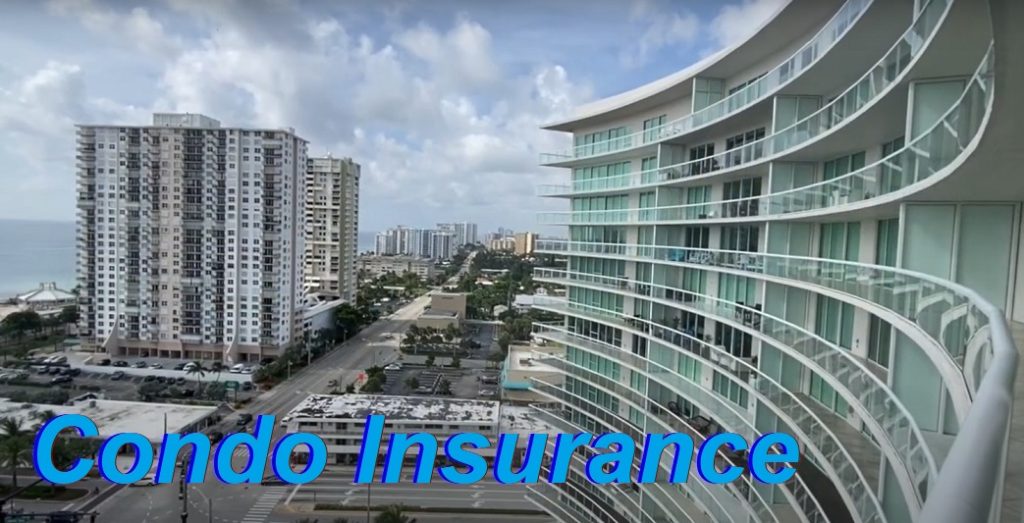
HO-6 Insurance or Condo Insurance?
HO-6 insurance is a type of homeowners insurance policy that is designed to meet the unique needs of condo owners. When you own a condo, you own the interior of your unit, but you usually do not own the entire building, exterior structure, or shared common areas. The association’s master policy and your own unit owner’s policy often work together, so you need a specific type of insurance policy for your unit, personal belongings, and liability needs.[1]
HO-6 insurance can provide coverage for the interior of the condo unit, including certain fixtures, appliances, personal property, liability protection, and additional living expenses, depending on the policy and the condo association's master policy.
How HO-6 Insurance Fits With a Condo Master Policy
Condo insurance can be confusing because there are usually two policies involved: the policy purchased by the condo association and the HO-6 policy purchased by the unit owner. The exact split depends on the association’s bylaws, declarations, and master insurance policy, so it is important to review those documents before choosing your limits.
| Coverage area | Usually handled by | What to check |
|---|---|---|
| Exterior structure and common areas | Condo association master policy | Ask whether the master policy is bare-walls, single-entity, or all-in. |
| Interior fixtures, improvements, and betterments | HO-6 policy, master policy, or both | Review which parts of the unit are your responsibility. |
| Furniture, clothing, electronics, and other belongings | HO-6 policy | Choose a personal property limit based on a realistic home inventory. |
| Personal liability and guest injuries | HO-6 policy | Compare liability limits and medical payments coverage. |
| Temporary housing after a covered loss | HO-6 policy | Look for loss of use or additional living expense coverage. |
What Does HO-6 Insurance Cover?
HO-6 insurance generally covers the interior of your condo unit and your personal property. That means it may provide coverage for things like furniture, appliances, electronics, and other items you keep in your condo. It may also provide coverage for fixtures like cabinets, countertops, and flooring when those items are your responsibility under the association’s documents and master policy.
One thing to keep in mind is that the coverage provided by your condo insurance policy may vary depending on the policy you choose. Some policies provide more comprehensive coverage than others, so it is important to review your policy carefully and make sure you understand what is covered, what is excluded, and what limits apply.
In addition to covering the interior of your condo unit, HO-6 insurance also provides liability protection. This means that if someone is injured while visiting your condo, your policy may help cover certain medical expenses, legal costs, or other covered costs associated with the injury. It can also provide coverage if you accidentally damage someone else’s property, subject to the terms and limits of the policy.
Finally, HO-6 insurance may provide coverage for loss of use. This means that if your condo is damaged by a covered loss and becomes temporarily uninhabitable, your policy may provide financial assistance to help you pay for temporary housing and related additional living expenses while your unit is being repaired.
Many HO-6 policies may also include or offer loss assessment coverage. This can help if your condo association charges unit owners for certain shared losses, deductibles, or expenses that are not fully covered by the association’s master policy. Because loss assessment rules can vary, it is worth asking your insurer how much coverage is included and whether a higher limit is available.
What Isn’t Covered by HO-6 Insurance?
While HO-6 insurance provides important coverage for condo owners, there are some things that it usually does not cover. One thing that is important to keep in mind is that condo insurance policies generally do not cover the exterior of the building, shared amenities, or common areas.
That means that if there is damage to the building itself, such as damage from a storm or fire, your HO-6 policy may not provide coverage unless the damaged property is part of your unit-owner responsibility under the condo documents.
The exterior of the building is typically covered by the condominium association’s insurance policy. However, it is important to review the association’s policy carefully to make sure you understand what is covered, what is not covered, and whether any master-policy deductible could be passed on to unit owners.
Another thing that usually is not covered by a standard HO-6 insurance policy is flood damage from rising water. If your condo is located in a flood zone, or if you want protection for flood-related damage to your belongings or unit improvements, you may need to purchase a separate flood insurance policy or review what flood coverage is available through the National Flood Insurance Program and your condo association.[3]
Finally, HO-6 insurance often excludes or limits certain types of damage, such as damage caused by earthquakes, sinkholes, earth movement, wear and tear, or maintenance issues. If you live in an area where these types of risks are common, you may need to purchase additional insurance, like earthquake insurance, an endorsement, or another separate policy to better protect your condo.
How Much Does HO-6 Insurance Cost?
The cost of HO-6 insurance varies depending on a number of factors, including the value of your personal property, the amount of liability coverage you need, the coverage required by your lender or condo association, your deductible, your claims history, and the location of your condo. Generally, HO-6 insurance is often less expensive than a traditional homeowners insurance policy because it usually does not insure the entire building structure. You can also review general homeowners insurance information from the National Association of Insurance Commissioners when comparing policy types and coverage needs.[4]
The cost of your HO-6 insurance policy may also be influenced by the deductible you choose. A higher deductible will typically result in a lower premium, but it also means that you will have to pay more out of pocket if you need to file a claim. Make sure the deductible is an amount you could reasonably afford after a covered loss.
When you are shopping for HO-6 insurance, it is important to get quotes from multiple insurance providers and compare the coverage and costs of each policy. You may also want to consider working with an insurance agent who can help you understand your coverage options and find a policy that meets your needs and budget.
Average Cost of Condo Insurance
One recent 2026 rate analysis estimated the average cost of condo insurance, also known as HO-6 insurance, at about $490 per year, or roughly $40 per month, for a sample policy. However, the cost of HO-6 insurance quotes varies by state, building type, coverage limits, deductible, credit-based insurance score where allowed, and insurer underwriting rules.[2]
In that analysis, some of the most affordable average condo insurance rates were found in Wyoming, Vermont, Maine, West Virginia, and North Dakota. These lower averages do not mean every condo owner in those states will pay the same amount; they simply show how sample rates can vary across the country.
On the other hand, some of the most expensive average HO-6 condo insurance rates in the same analysis were found in Florida, Louisiana, Arizona, Georgia, and California. Higher costs can reflect weather risk, catastrophe exposure, rebuilding costs, local claims trends, coverage amounts, and insurer availability. In hurricane-prone states such as Florida and Louisiana, windstorm and coastal exposure can be especially important cost factors. The average cost of condo insurance in Florida can therefore be higher than in many inland or lower-risk states.
How to Choose an HO-6 Policy
Before you buy a condo insurance policy, review your condo association’s master policy, bylaws, and declaration documents. These documents can help you understand whether you need more coverage for interior fixtures, improvements, betterments, loss assessment, water backup, or other coverage gaps.
- Make a home inventory so your personal property limit is based on your real belongings.
- Ask whether your policy covers replacement cost or actual cash value for personal property.
- Compare liability limits, especially if you have visitors, pets, or assets to protect.
- Check whether loss assessment coverage is included and whether the limit is enough.
- Ask separately about flood, earthquake, sinkhole, and water backup coverage if those risks matter in your area.
HO-6 Insurance FAQ
Is HO-6 insurance required?
HO-6 insurance may be required by your mortgage lender or condo association, even when state law does not directly require it. Even if it is not required, it can still be important because the association’s master policy usually does not protect all of your belongings, liability exposure, or interior unit responsibilities.
Does HO-6 insurance cover water damage?
It may cover some sudden and accidental water damage, depending on the cause of loss and the policy language. However, standard HO-6 insurance usually does not cover flood damage from rising water, and some water backup or seepage situations may require separate coverage or may be excluded.
How much HO-6 insurance do I need?
The right amount depends on your belongings, your unit’s interior features, your condo association’s master policy, your lender’s requirements, and your liability needs. A practical starting point is to review the master policy, estimate the cost to replace your belongings, and ask an agent whether your interior coverage and loss assessment limit are high enough.
Final Thoughts on HO-6 Insurance
If you own a condominium, having the right insurance coverage is essential. HO-6 insurance provides coverage for the interior of your condo unit, personal property, liability protection, and loss of use, subject to policy terms, exclusions, and limits. While it usually does not cover the exterior of the building or certain types of damage, it is an important type of insurance to consider as a condo owner.
When you are shopping for HO-6 insurance, be sure to carefully review your policy and understand what is covered and what is not. You may also want to work with an insurance agent who can help you find a policy that meets your unique needs and budget.
By taking the time to carefully consider your condo insurance options and choose the right policy, you can have peace of mind knowing that you are better prepared for unexpected damage, temporary displacement, liability claims, or coverage gaps between your own policy and your condo association’s master policy.
Sources and References
- Washington State Office of the Insurance Commissioner, Learn how condo insurance works. ↩
- NerdWallet, The Average Condo Insurance Cost in 2026. ↩
- FloodSmart / National Flood Insurance Program, NFIP Flood Insurance for Condominium Associations Brochure. ↩
- National Association of Insurance Commissioners, Homeowners Insurance Consumer Resources. ↩
Compare Quotes in 2 Minutes
Secured with SHA-256 Encryption
OUR WEBSITE

TRUST & AUTHORITY


Featured Articles
SEARCH
Looking for something specific? Use the search bar below to find answers to your questions!