
The Top 5 Cheapest Cars To Insure
Want to lower your car insurance bill? Compare car models and start saving on your premiums today.
Compare Quotes in 2 Minutes
Powered by:

 Secured with SHA-256 Encryption

Samantha Johnson — Insurance Policy Expert
One of the best ways to save on car insurance is to buy a vehicle that’s cheap to insure. This is why smart auto shoppers look for the cheapest cars to insure before making a final purchase decision. The truth is, choosing a car without considering insurance costs is one of the most expensive long-term mistakes a driver can make.
Insurance is not a one-time expense or a minor add-on. It is a recurring financial obligation that follows the vehicle every month, often for many years. Two cars with nearly identical purchase prices can differ by thousands of dollars in total insurance cost over time, purely because insurers view one as safer, more predictable, and less costly to repair.
Insurance companies price vehicles based on data, not opinion. Every model develops a statistical profile built from real-world claims, including how often it crashes, the severity of those crashes, the cost of repairs, the frequency of theft, and the cost of injuries when claims occur.
Cars that generate consistent, low-severity claims are rewarded with lower premiums. Cars that create unpredictable or expensive losses are penalized.
The 5 Cars That Top the List for Insurance Affordability
The vehicles below are ranked from the cheapest to insure upward, based on how insurers actually assess risk.
Mazda CX-5
The Mazda CX-5 frequently ranks as the most affordable vehicle to insure nationwide, and it earns that position through its balance and predictability. From an insurance standpoint, the CX-5 sits in a near-perfect risk category. It is large enough to protect occupants effectively in collisions but not so large that it causes excessive damage to other vehicles. It avoids high-horsepower engines that lead to severe losses and does not rely heavily on exotic materials that drive repair costs upward.
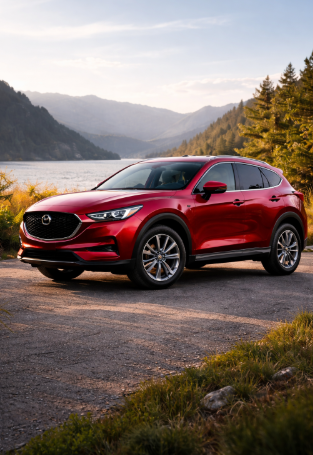
One of the CX-5’s biggest advantages is consistency. When accidents occur, repair costs tend to fall within a narrow, predictable range. There are fewer surprise supplements, fewer total losses, and fewer extreme payouts compared to many competitors. Insurers value this kind of stability because it allows them to price aggressively without padding premiums for uncertainty.
The CX-5 also maintains a relatively low theft profile. Vehicles that are not commonly targeted for theft experience fewer comprehensive claims, which directly lowers insurance premiums. Even in dense urban areas, the CX-5 avoids the theft spikes that quietly push rates higher on other crossovers.
Its safety technology further strengthens its insurance profile. Driver-assistance features reduce crash frequency without dramatically increasing repair complexity. Many newer vehicles reduce accidents, but become extremely expensive to fix when they do get hit. The CX-5 avoids that trap.
Honda CR-V
The Honda CR-V has been an insurance favorite for decades because it is one of the most statistically stable vehicles on the road. Its widespread use across the country produces an enormous volume of claims data showing moderate crash frequency, manageable injury severity, and reliable repair costs.
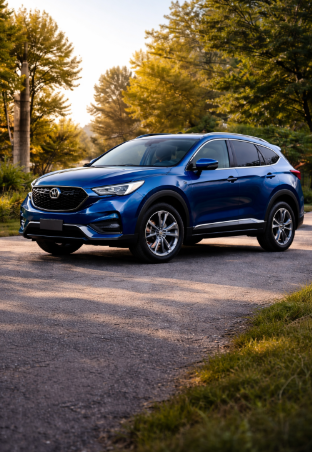
Repair economics is a major strength. Parts are widely available, labor procedures are well established, and body shops are highly familiar with CR-V repairs. Faster repairs reduce rental car payouts, which quietly influence insurance pricing more than most drivers realize.
Driver behavior patterns also work in the CR-V’s favor. Some vehicles attract aggressive driving demographics that raise claim frequency across the board. The CR-V’s owner base is broad and relatively conservative, resulting in fewer high-speed or high-severity losses. Non-hybrid trims typically offer the lowest insurance costs, while hybrid versions may be slightly higher due to additional components, though still below average.
Advanced safety systems help reduce accidents, but like all modern vehicles, they can raise the cost of minor collisions.
Compare Quotes in 2 Minutes
Compare Insurance Quotes and Save!
 Secured with SHA-256 Encryption
Hyundai Kona
The Hyundai Kona often surprises drivers by landing among the cheapest vehicles to insure, but its pricing logic is sound. As a subcompact SUV, it tends to cause less property damage in many collisions than larger vehicles, which helps keep liability payouts lower. At the same time, it is not so small that occupant injury risk becomes a major concern.
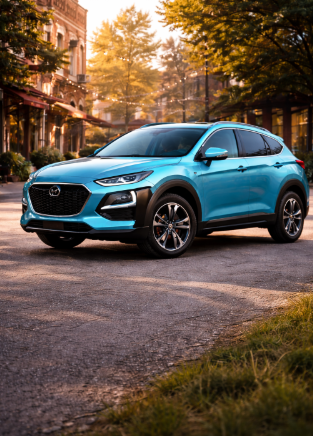
Replacement cost plays a significant role. The Kona’s overall vehicle value remains relatively modest, limiting how much insurers risk paying out on comprehensive and collision claims. Lower maximum exposure almost always results in lower premiums.
However, insurance costs for the Kona can vary more by location than some other vehicles. Theft and vandalism trends in certain areas can increase comprehensive premiums. Entry-level trims are usually very cheap to insure, while higher trims with premium wheels, added technology, or sport-oriented features can narrow the insurance advantage.
Driver behavior also supports low pricing. The Kona does not generate the aggressive driving losses that force insurers to raise rates across an entire model line.
Subaru Outback
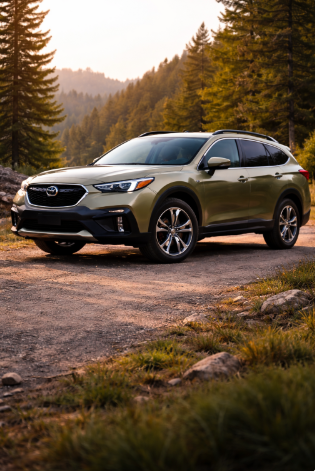
The Subaru Outback earns its place among the cheapest cars to insure because of its consistency across insurers and regions. While it is not always the absolute lowest, it is one of the most reliably affordable vehicles over time.
Crash outcomes are a major factor. The Outback’s size and structure provide strong occupant protection without driving repair costs excessively high. Injury severity heavily influences insurance pricing, and vehicles that protect occupants well tend to perform better long-term.
Standard all-wheel drive and stability-focused engineering reduce loss-of-control accidents, particularly in poor weather conditions. Fewer severe crashes mean fewer catastrophic claims. Driver behavior also plays a role, as Outback owners tend to drive conservatively on average.
Chrysler Voyager
Minivans rarely attract attention, but insurers quietly favor them. The Chrysler Voyager benefits from conservative usage patterns that produce fewer severe losses. Minivans are rarely associated with high-speed crashes or aggressive driving behavior.
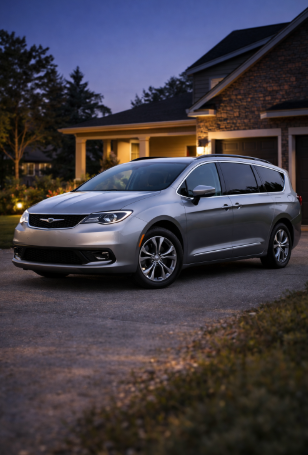
From an injury perspective, the Voyager performs well. Its size helps protect occupants, reducing costly medical claims. At the same time, it avoids the extreme repair costs associated with heavy trucks or luxury SUVs.
The Voyager also maintains a relatively low theft profile, which keeps comprehensive premiums in check, particularly in urban areas. Insurance costs can increase if the vehicle is used for business or commercial purposes, but for personal use, it remains one of the cheapest large vehicles to insure.
Passenger capacity can influence liability coverage decisions, but even with higher liability limits, the Voyager typically costs less to insure than many SUVs and trucks.
Final Thoughts On The Cheapest Cars To Insure
Insurance companies reward predictability, not excitement. The vehicles listed above consistently generate fewer accidents, lower repair costs, manageable injury claims, and limited theft exposure. While vehicle choice alone does not guarantee the lowest possible rate, it creates a strong foundation.
When combined with smart coverage choices and insurer shopping, these vehicles help keep auto insurance costs under control year after year. Compare quotes from the cheapest cars to insure in under 5 minutes and save hundreds with direct rates.
Compare Quotes in 2 Minutes
Secured with SHA-256 Encryption
OUR WEBSITE

TRUST & AUTHORITY


Featured Articles
SEARCH
Looking for something specific? Use the search bar below to find answers to your questions!